There are so many books about Obsessive Compulsive Disorder (OCD), it can feel overwhelming figuring out where to start. Even when we’re eager to learn about something or overcome a problem, the volume of information available can be a barrier. This feeling of overwhelm often prevents us from starting at all and so we end up no wiser. Volume and access to information isn’t the only problem. Not all information is created equal in either quality or accuracy. We also have exposure to fake news and bad information. It can all get very confusing. If you’ve experienced this yourself you’re certainly not alone. Thankfully there are experts available who we can turn to for sound advice – providing we know who they are. The blog aims to steer you in the right direction by focusing on three books about OCD.
Obsessive Compulsive Disorder (OCD)
Obsessive Compulsive Disorder (OCD) is an anxiety disorder estimated to affect 1 in 50 people. Research also shows that this is considerably under-reported because many people don’t seek treatment. This is often due to feeling of embarrassment, shame and the fear of stigma. The key to breaking stigma is building awareness and understanding and I find reading is a great way to learn. To mark OCD awareness week, here is an overview of three books about OCD that, as a therapist, I regard highly.
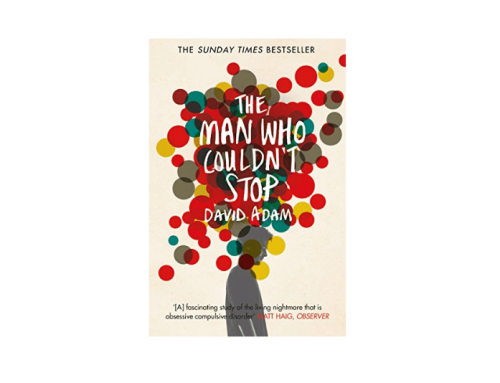
The Man Who Couldn’t Stop, by David Adam.
 This is a book about Obsessive Compulsive Disorder that it based on lived experience. It is written with both honesty and humour which makes the book informative and engaging. The author shares examples of his own obsessions throughout his life and the lengths he has gone to in attempt to man age the distress of his OCD. Woven between his own narrative are case studies, a history of the psychiatric approach to OCD and more recent research.
This was a book we read as part of the Brighter Minds Book Club so you can read a full book review here.
Overcoming Obsessive Compulsive Disorder, David Veale and Rob Wilson.
 This is a self-help book written by clinical experts in OCD. Their book provides a detailed overview of OCD to help the reader understand this complex problem in a digestible way. The second part of the book introduces Cognitive Behavioural Therapy (CBT) principles and exercises for the reader to practice. These exercises are designed to help overcome obsessions and compulsions.
CBT is the recommended treatment for OCD. This book outlines the key treatment approaches so the reader can learn the skills to try and manage and overcome their symptoms. As with all self-help, it is not a replacement for therapy, but it can be a good starting point. I also find this book can be a helpful aid to use alongside therapy.
Overcoming Obsessive Thoughts, by Christine Purdon and David Clark.
 There are many books about Obsessive Compulsive Disorder and at a glance, you may think this is the same as the previous book. OCD can present in different forms and with different themes. One of these is obsessional thinking. With some forms of OCD, the response to these intrusive thoughts is overt and observable. Checking and asking others for reassurance are examples of overt responses. With obsessive thinking, the response to the intrusive thoughts involves more mental processes. An example of this is mental arguing. This is where you respond to an intrusive thought by trying to rationalise it away. This process can result in feeling stuck in a tug of war between the intrusive thought and your rationale thinking.
Another response may be mental neutralising. This is where you respond to an intrusive thought by attempting to replace it with another thought to try and cancel it out. This may be a certain phrase, affirmation or even song. Other examples of obsessive thinking in OCD include replaying events in your mind to try and reassure yourself that unwanted situations haven’t occurred, or pre-empting possible risks to avoid.
This book aims to help the reader in two ways. The first is to understand these unhelpful thought processes. The second is by breaking these unhelpful patterns of thinking through the use of CBT exercises. The ultimate goal is reduce anxiety and overcome the fear of unwanted and intrusive thoughts.
What Next?
Keep your mental heath and wellbeing at the forefront with our fortnightly wellbeing newsletter, Take Five. You’ll receive the latest blogs, book recommendations and exclusive offers to help you learn how to feel your best. Sign up here.